


It's easy to register for the course, just fill out the form and click submit. Then you will be registered for one of the best BLS training courses in the industry
FEATURED IN






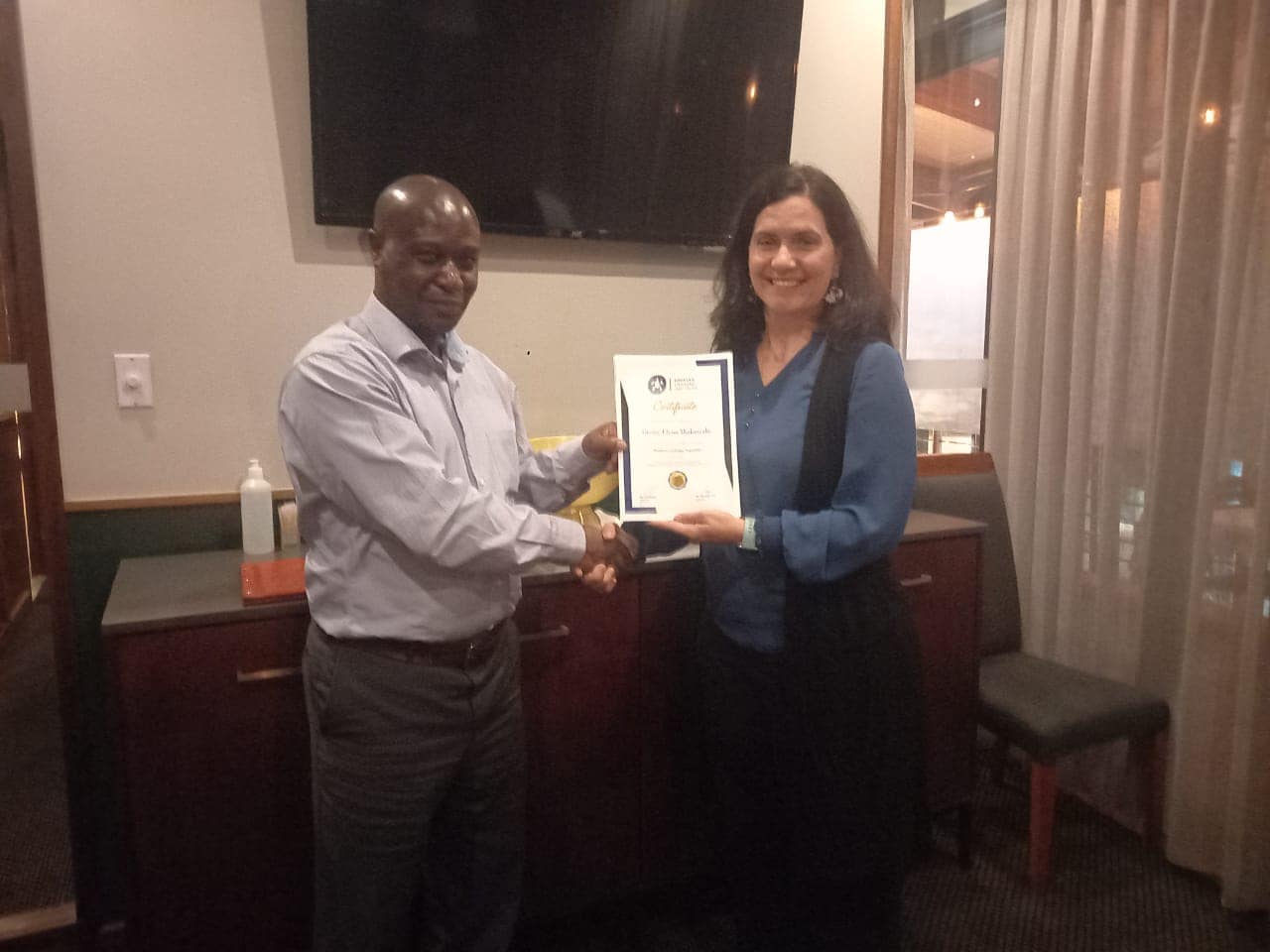
Hi everybody! I am George and I will be your main instructor durnig the BLS training course. I have more than 10 years experience in Training and I am very passionate about this field. Register for the course and let's meet.
Teaching students all about the best BLS/ACLs techniques is something I love to do as a full-time job
The BLS course trains participants to promptly recognize several life-threatening emergencies, give high-quality chest compressions, deliver appropriate ventilations and provide early use of an AED.
It reflects the science and education from the American Heart Association (AHA) and Emergency Cardiovascular Care (ECC) guidelines for CPR
A sequence of critical actions (early recognition, CPR, defibrillation, advanced care, and post-arrest care) to improve survival rates during cardiac emergencies.
Variations include compression depth, compression-to-ventilation ratios, and hand placement tailored to each age group.
Collaborative strategies for clear communication, defined roles, and teamwork during resuscitation.
For conscious patients, abdominal thrusts are used; for unconscious patients, CPR is initiated with airway checks for obstruction
Measurable benchmarks like compression fraction, chest recoil, and time-to-defibrillation to evaluate team efficiency.
Delivering uninterrupted compressions at the proper depth (2-2.4 inches for adults) and rate (100-120/min) with full chest recoil.
Providing breaths with minimal interruptions, ensuring visible chest rise without excessive ventilation.
Quickly attaching and following AED prompts to deliver a shock for ventricular fibrillation or pulseless ventricular tachycardia.
Modifying CPR techniques, such as manual uterine displacement, to prevent compression of major vessels.
The ACLS Provider Course is designed for healthcare providers who either direct or participate in the management of cardiopulmonary arrest and/or other cardiovascular emergencies.
Through didactic and active participation in simulated cases, the students will enhance their skills in management of Acute Dysrhythmias, Acute Ischemic Stroke, Acute Coronary Syndromes, Cardiopulmonary Arrest and Immediate Post Cardiac Arrest Care.
The goal for this course is to improve outcomes for adult patients presenting with cardiovascular emergencies through training of high-performance teams to detect and promptly intervene whenever the need arises.
Provides a comprehensive overview of Advanced Cardiovascular Life Support (ACLS) principles, emphasizing teamwork, rapid decision-making, and evidence-based interventions.
Focuses on securing and maintaining a patent airway using advanced techniques such as endotracheal intubation or supraglottic devices during emergencies.
Teaches the identification of critical cardiac rhythms to guide appropriate resuscitation and ACLS interventions.
Emphasizes early recognition of deteriorating conditions, prompt interventions, and continuous monitoring to reduce the likelihood of cardiac arrest.
Covers the drugs used in cardiac emergencies, including indications, dosages, and mechanisms of action (e.g., epinephrine, amiodarone).
Explores the use of defibrillation, cardioversion, and pacing in managing life-threatening arrhythmias.
Addresses identifying and treating the H's and T's (e.g., hypoxia, tension pneumothorax) to improve resuscitation outcomes.
Highlights the critical steps for stabilizing the patient after return of spontaneous circulation (ROSC), such as optimizing oxygenation, blood pressure, and neurological care.
Focuses on post-resuscitation strategies like rehabilitation, organ support, and monitoring to aid recovery and prevent complications.
This course is for anyone passionate about the health provision,Basic Life Support, Advanced cardiovascular life support and especially fit for those seeking to improve their Career skills and enhancement of knowledge
LIGHTBOX

The training course is dedicates to anyone passionate about the health provision,Basic Life Support, Advanced cardiovascular life support and especially fit for those seeking to improve their Career skills and enhancement of knowledge.
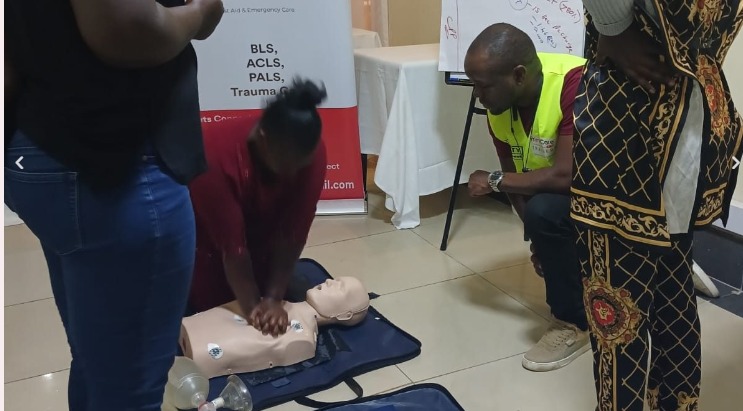
Here are the main topics that will be covered in the BLS/ACLs training course. They cover all the basics of BLS/ACLs and even some advanced techniques that will help you along the way
Proper technique, depth, and ratio of compressions to ventilations for high-quality CPR.
Steps for operating an AED, including rhythm analysis and shock delivery.
Providing effective breaths using a barrier device or bag-mask ventilation.
Advanced techniques like endotracheal intubation and supraglottic airway placement.
Identifying and treating bradycardia, tachycardia, and arrest rhythms using ECG interpretation and pharmacologic interventions.
Optimizing hemodynamics, neurological status, and preventing recurrence after return of spontaneous circulation (ROSC).
Our mission is to help people do better BLS/ACLs. The team is excited to invite you to the next BLS/ACLs Training Course session which undoubtedly will provide you with the necessary skills to improve your online presence. Fill out the form to register and we'll contact you in less than 24h
REGISTERFor registration questions please get in touch using the contact details below. For any questions use the form.
Copyright © 2024 Criticare training Consultants - All rights reserved